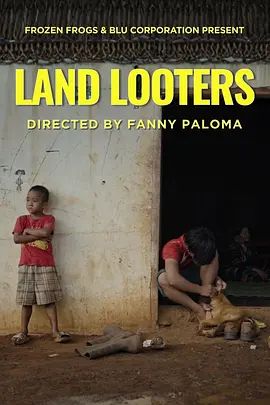
柬埔寨的布农族社区正在努力保护其圣林,同时喀麦隆的村庄也在抵制油棕种植园。这部影片既是旅行纪录片,也是一次敏感的调查,讲述了一个普遍的故事:那些拒绝被抹去的人们,提醒我们捍卫地球就是捍卫生命。
《 让魔鬼进来》 是一部令人难以忘怀且神秘的四集纪录片系列,讲述了一场数十年前的悲剧,这场悲剧摧毁了一个家庭,并点燃了新泽西州一个小镇最黑暗的恐惧。目击者、朋友和社区成员第一次试图理解这些不可思议的事件,有些人认为撒旦抓住了一个脆弱的十几岁男孩,而另一些人则认为罪魁祸首要多得多的尘世恶魔。
新疆涵盖了中国所有的地貌特征,又是多民族共存共居之地。新疆的美,隐含着中华文化一些最基本的理念和智慧。《天山脚下》从人类的普适视角出发,展示人类普遍的生存状态和情感状态,片中的每一个故事都会让人感受到最朴素却最动人的力量。
厨房噩梦第9季
An epic adventure into the unknown. Simon Reeve's toughest journey yet - into the heart of Earth's last great wild areas, where nature is at its most beautiful and fragile.
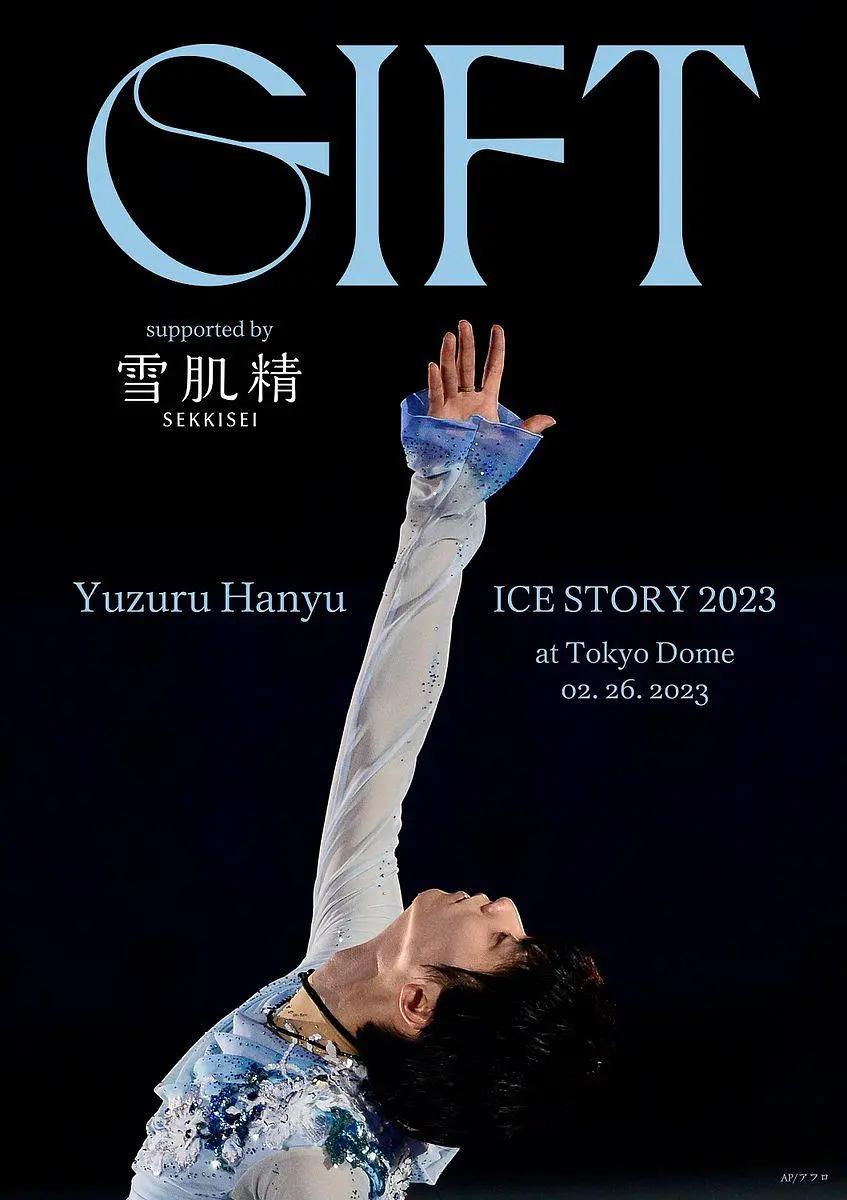
羽生结弦首次在东京巨蛋冰上表演,即使离开竞技场,仍然在属于自己的舞台发光发热。羽生结弦与东京爱乐交响乐团共谱世界级表演,顶尖的技术、优美的音乐、华丽的灯光同视觉效果,冲击观众感官嘅极致视听盛宴。收录长达150分钟的演出,更独家公开30分钟从未曝光的幕后花絮。
From man to maestro, look into the past and see the inception of the Hallyu Wave from Lee’s personal archives, as well as music and material from SM Entertainment’s most popular artists BoA, Girls’ Generation, EXO, and the latest sensation, Aespa. LEE SOO MAN KING OF K-POP is the feature documentary chronicling the enthralling life of a bold visionary whose work put his count...
这是一个真实的个人经历实录…… 灵学专家李居明为寻狐仙是否真正存在的真相,在1991年中,亲自走访绝传之狐仙研究专家陈平原,得悉目前共有六十只狐仙存在於世,有些更遗害人间。调查包括: 香港乾德道住客离奇死亡及多宗跛脚事件; 树根显现狐仙样貌; 苏东坡遇仙及葛洪与黄大仙成仙秘密; 世运风云人物杨传广变成施符作法的灵媒; 鬼婆以 「推灵法」示范驱魔治病等……
一家青少年足球训练机构发生惨剧后,悲痛的家属向巴西最炙手可热的球队讨要说法和公道。
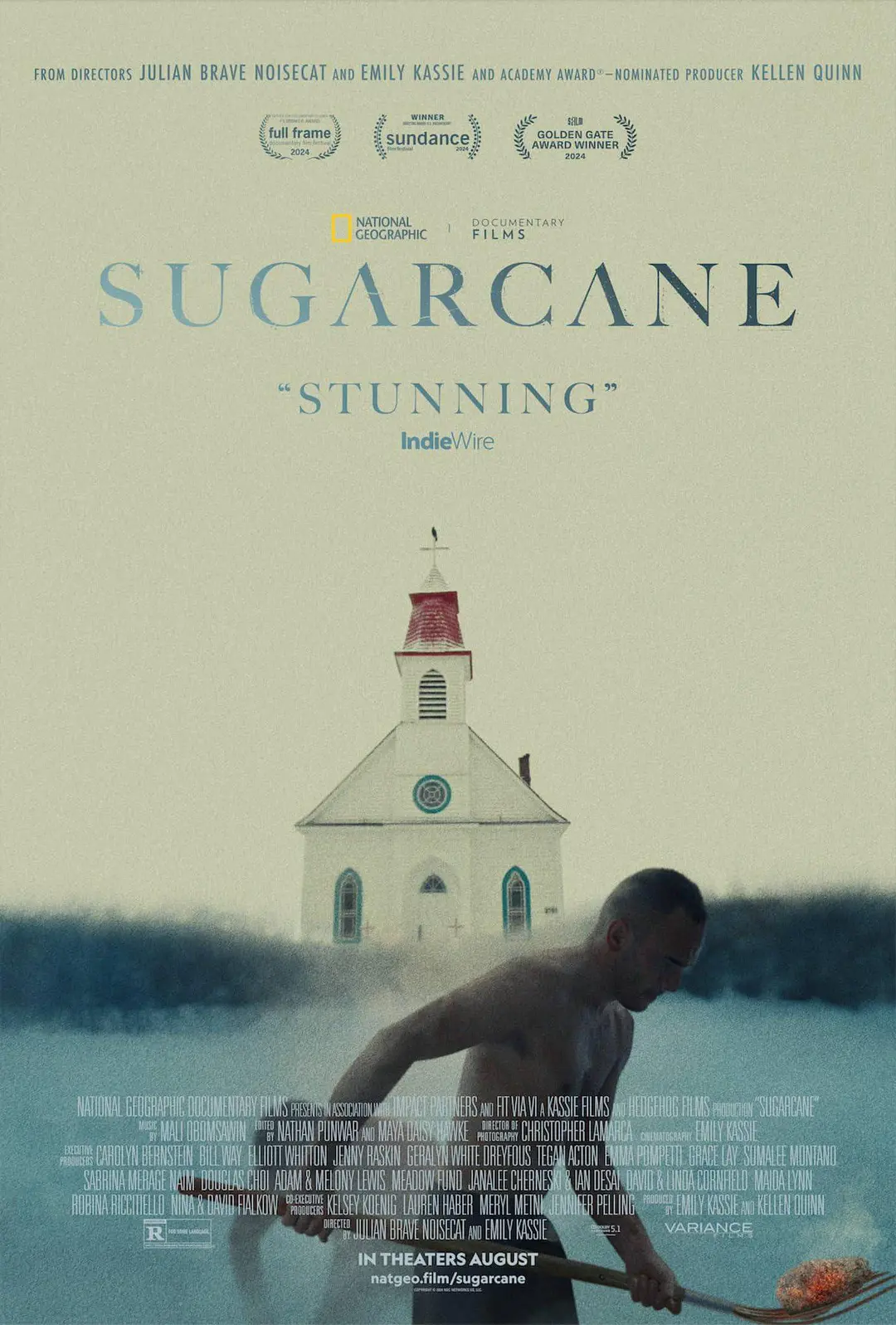
An investigation into abuse and missing children at an Indian residential school ignites a reckoning on the nearby Sugarcane Reserve.
回顾黑色恐怖电影的历史以及非裔美国人从一开始就在这一电影类型中扮演的角色。
The Power of Emotion explains that emotion isn't to be confused with sentimentality. Emotion is ancient and more powerful than any art form. The film looks at young couples who run into difficulties as they try to translate their experiences of love into clear decision-making. A woman who has shot her husband provides a judge with a puzzle. Those who love can bring the dead back to life by means of co-operation. That's the focus of the opera, "The Power Plant of Emotions" and the "Opera of the 20th Century" cinema. Alexander Kluge: The Power of Feeling When I started working on The Power of Feeling, I was not in a rational state. I did not say, I have a subject and now I will make a film about it. Instead I was spellbound and observed in my direct surroundings, for example, how feelings move. I have not really dealt with the theme of my mother's death and the fact that she was the one who taught me "how feelings move." Nor have I dealt with how she died. That was an entire palette of feelings: "All feelings believe in a happy end," and everyone believes tacitly that they will live forever: The entire palette is somehow optimistic, a positive attitude towards life having been put on the agendaas long as she was young, as long as her body held out, from one day to the next she collapsed. She just suddenly collapsed, like in an opera where disaster takes the stage in the fifth act. It felt as if I had observed an air raid or a disaster. The film The Power of Feeling is not about feelings, but rather their organization: how they can be organized by chance, through outside factors, murder, destiny; how they are organized, how they encounter the fortune they are seeking.What is all this organization of feelings about? Generally feelings tend to be a dictatorship. It is a dictatorship of the moment. The strong feeling I am having right now suppresses the others. For thoughts this would not be the case. One thought attracts others like a magnet. People therefore need affirmation by other people to be sure about their own feelings (to counteract the acquisition of their feelings through outside forces). Through the interaction of many people, for example, in public, the various feelings also have a magnetic attraction to one another just like thoughts do. Feelings communicate through their manifestation in public. The cinema is the public seat of feelings in the 20th century. The organization is set up thusly: Even sad feelings have a happy outcome in the cinema. It is about finding comfort: In the 19th century the opera house was the home to feelings. An overwhelming majority of operas had a tragic end. You observed a victim. I am convinced that there is a more adventuresome combination: Feelings in both the opera and traditional cinema are powerless in the face of destiny's might. In the 20th century feelings barricaded themselves behind this comfort, in the 19th century they entrenched themselves in the validity of the lethal seriousness.